


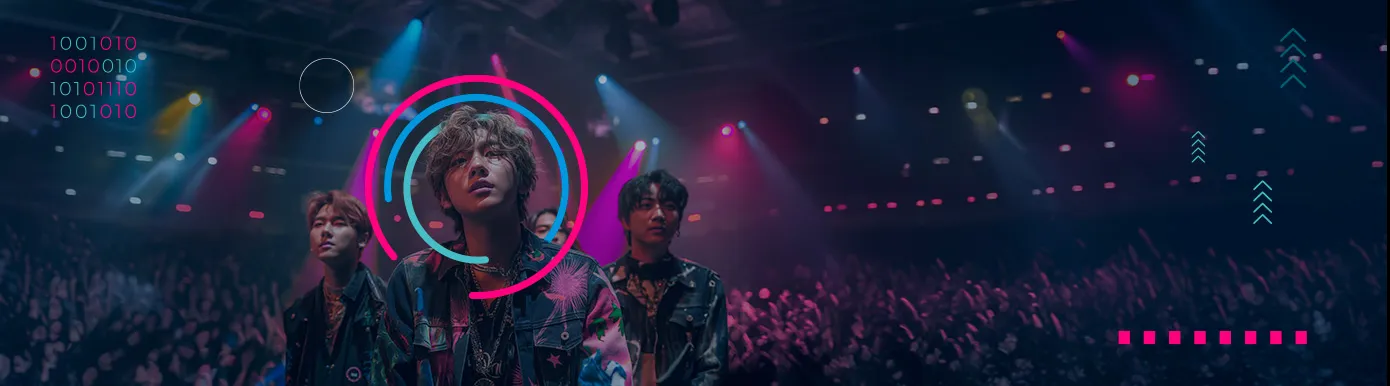
Fandom tourism is no longer a niche behaviour driven by a handful of superfans. It has become a measurable, repeatable travel pattern that is shaping demand across destinations, seasons, and traveller segments. As part of broader travel trends 2026, fandom travel sits alongside experiential tourism, event tourism, and cultural celebrations as a powerful driver of booking intent.
For hoteliers, the opportunity is not about novelty theming or chasing every trend. It is about understanding why fans travel, how they behave once they arrive, and how hotels can position themselves to capture high-intent demand with minimal operational disruption.
Insights from HBX Group’s 2026 Travel Trends report highlight fandom tourism as one of the clearest expressions of experience-led travel, where emotional connection influences where people stay, how long they stay, and how much they spend.

Fandom tourism, sometimes referred to as fan tourism, is travel motivated by a strong emotional attachment to a cultural interest. This could be a film or television series, a musician or band, a sporting event, a gaming community, a book franchise, or a cultural movement.
What distinguishes fandom travel from traditional leisure travel is purpose. These guests are not simply visiting a destination. They are participating in a moment, a community, or a shared identity. That sense of belonging is what drives willingness to travel long distances, accept premium pricing, and plan trips around fixed dates.
From a hospitality perspective, fandom tourism often shows up as:
Understanding these patterns allows hotels to prepare in advance and turn short bursts of demand into long-term commercial value.
Several hospitality travel trends are converging to accelerate fandom tourism in 2026.
First, discovery-led travel planning has become mainstream. Social platforms and streaming services turn locations into instant destinations, often overnight. A filming location, concert venue, or cultural celebration can trigger a surge in searches and bookings with little warning.
Second, travellers are increasingly choosing trips that reflect their identity. Pop culture tourism, music tourism, and event tourism allow guests to express who they are and what they care about.
Third, travel is becoming more social. Many fandom trips are group-based, whether friends attending a concert together or families travelling for cultural celebrations. Hotels that can accommodate shared experiences benefit from higher occupancy and stronger on-property spend.
These behaviours reflect a wider move towards experiential travel and experience-led tourism.

Pop culture tourism continues to gain momentum, driven by film, television, and digital media. Travellers actively seek out filming locations, neighbourhoods, and venues associated with their favourite stories.
For hotels, pop culture tourism does not require heavy theming. Subtle storytelling is often more effective. Guests respond well to clear location context, curated local recommendations, and small experiential touches that connect the stay to the story that brought them there.
Hotels near filming locations can also benefit from guidance around film tourism, including how to package experiences and partner locally.
Music tourism is one of the most visible expressions of fandom travel. Major tours, festivals, and live performances generate predictable demand surges, often concentrated over a few nights.
These guests value ease above all else. Late arrivals, post-event food options, transport guidance, and flexible check-out policies can significantly improve guest satisfaction. Social energy also matters. Spaces where guests can gather before or after events add perceived value without major investment.
Music tourism also presents opportunities for repeat visits, particularly in cities that host regular events or seasonal festivals.

Event tourism overlaps strongly with fandom tourism when events have established communities. Conventions, e-sports tournaments, sporting fixtures, and cultural festivals attract loyal audiences who return year after year.
Planning early is essential. HBX Group’s key dates and events for hoteliers article helps properties anticipate demand, adjust pricing strategies, and manage inventory more effectively.
Hotels that plan proactively can avoid reactive discounting and instead package value through convenience, partnerships, and experience-led add-ons.
Cultural celebrations are a quieter but equally valuable form of fandom travel. These events are often deeply rooted in place and tradition, attracting travellers who seek authenticity and connection.
Guests attending cultural celebrations tend to stay longer and engage more with local experiences. This creates opportunities for hotels to collaborate with local guides, performers, and food producers while supporting community-based tourism.
From a hospitality trends perspective, cultural celebrations align strongly with the growing demand for meaningful, locally grounded travel.

Fandom travellers are not looking for novelty at the expense of comfort. Their expectations are practical, social, and experience-driven.
They expect:
Even small operational adjustments, when aligned to guest intent, can significantly improve satisfaction and review sentiment.
For hoteliers, the key is not to chase every fandom but to identify which segments naturally align with their location, size, and operating model.
A few principles apply.

Fandom tourism brings together many of the behaviours shaping travel trends 2026, from pop culture tourism and music tourism to major events and cultural celebrations. For hoteliers, it offers a practical way to capture demand that is highly motivated, time-specific, and often repeatable. Properties that align their pricing, availability, and guest experience to these moments are better placed to keep pace with changing hospitality travel trends.
At HBX Group, we work closely with hotels to help them respond to emerging travel patterns through targeted campaigns and initiatives designed to convert new sources of demand into bookings. By combining global distribution with data-led insight, we support hoteliers in turning trends such as fandom travel into tangible commercial outcomes.
Hotels that partner with us gain access to a global network of more than 60,000 travel distributors, including 50,000 travel agencies and 3,500 tour operators, alongside airlines, affiliates, and other travel businesses. With reach across more than 190 source markets, we help hotels connect with both long-haul travellers and local audiences, depending on where demand is strongest.
Interested? Become our partner today and see how we can support your property’s growth.
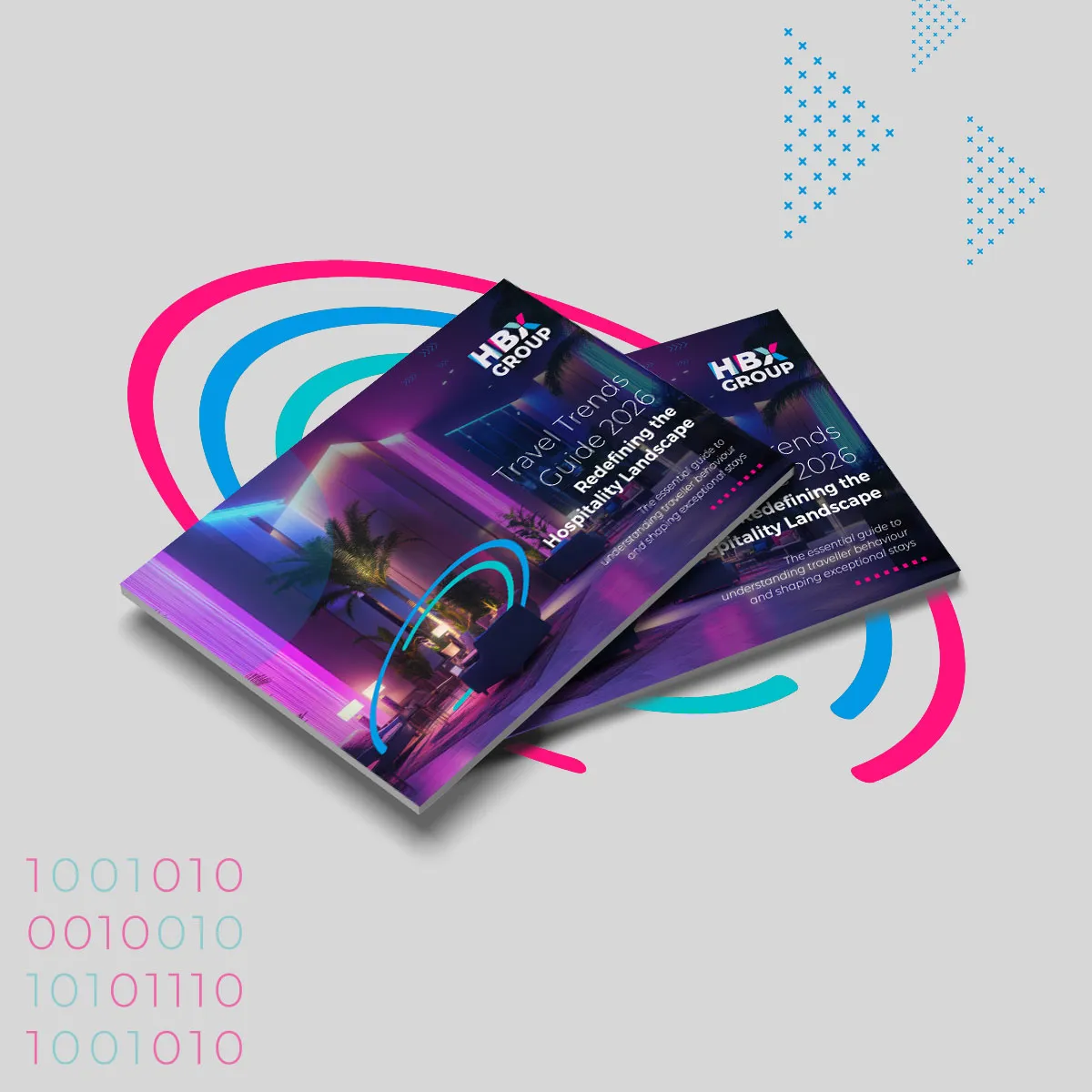
Stay ahead of the competition! Download our free 2026 Travel Trends Report for hoteliers and discover the key insights and strategies to maximise bookings and adapt to the future of hospitality.

 Resources