


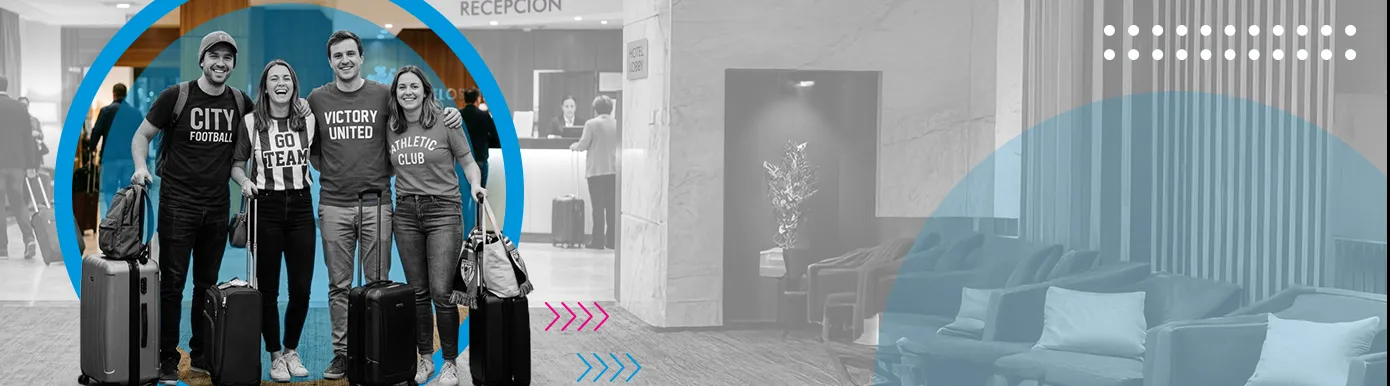
For millions of travellers, the destination is no longer the starting point when planning a holiday. Instead, it might be a football final, a marathon, an international gaming tournament or the chance to explore a real-world location featured in a favourite video game.
Major events such as the FIFA World Cup and Olympic Games remain important tourism drivers, but they are only part of a much broader trend. Smaller sporting competitions, participation events and gaming communities are also encouraging people to cross borders and explore new destinations.
For hoteliers, this shift presents opportunities to attract experience-seeking guests, increase occupancy and generate additional revenue.
The power of play describes the growing influence of sports, gaming and interactive entertainment on travel decisions. It encompasses sports tourism, where people travel to watch or participate in sporting events, and gaming tourism, where digital experiences inspire real-world journeys.
The activity itself becomes the primary motivation for travelling, rather than something visitors do once they arrive.

According to research cited in HBX Group's Travel Trends Guide 2026, the global sports tourism market is projected to grow from $991.57 billion in 2025 to $5,279.27 billion by 2035, a compound annual growth rate of 18.2%.
One driver is the increasing integration of entertainment, sports and cultural experiences. Travellers want to take part in celebrations that extend beyond the stadium, combining sporting events with local attractions, dining and cultural discovery.
Another is the growing influence of video games on destination choices. Games featuring recognisable landscapes can inspire players to visit their real-world counterparts. Far Cry: New Dawn, for example, draws on Montana's landscapes, potentially encouraging players to discover the region themselves.
Narrative transportation theory explains this: players who become emotionally absorbed in virtual worlds may grow curious about experiencing similar places in person.
There is also a powerful social dimension. Sports travel and eSports tourism offer opportunities to meet like-minded people, reconnect with friends and share in celebrations.
HBX Group's Travel Trends Guide 2026 highlights several important characteristics:
Hotels looking to engage these younger travellers can explore HBX Group's guide on how to attract Gen Z travellers.

International tournaments and championship finals attract travelling supporters, often creating substantial demand for accommodation. Effective revenue management requires planning around match schedules, booking patterns and fluctuations in demand.
Marathons, cycling races, triathlons and fitness competitions attract participants alongside their families and supporters. Hotels can differentiate themselves through early breakfasts, secure equipment storage, transport arrangements and recovery facilities. Mountain resorts, for example, could offer post-event yoga, sauna sessions and sports massage.
Competitive gaming tournaments, conventions and watch parties are creating new reasons for younger travellers to visit cities. These visitors often travel in groups and value reliable connectivity and communal spaces. Hotels can respond with gaming lounges, livestreaming facilities and packages designed around competition schedules.
Video game tourism involves travelling to locations associated with gaming environments or narratives, and can introduce visitors to destinations they might otherwise overlook. Hotels can capitalise by offering guided excursions, themed itineraries and partnerships with local tourism operators.
This trend complements the broader interest in fandom tourism, which explores travel inspired by popular culture.

Fan zones, match screenings and live entertainment can encourage guests to spend more time at the hotel, while collaborating with local businesses can extend these experiences into the surrounding destination.
This approach aligns with the growing appeal of destination hotels and cultural travel experiences.
Packages aligned with event schedules can encourage longer stays and generate additional revenue. Consider combining rooms with transport, event access where available, guided tours or celebratory dinners. Partnerships with sports retailers, event organisers and local attractions can add value without developing every experience internally.
Gaming tourism creates opportunities to bring online communities together in physical spaces. Hotels could organise eSports viewing parties, gaming competitions or dedicated lounges. Properties near destinations featured in popular games might offer themed excursions or collaborate with gaming content creators.
Sports teams, supporters, gaming groups and families have different requirements. Interconnecting rooms, family suites and communal areas make group travel easier, while reliable Wi-Fi, convenient transport and flexible check-in are valuable when guests are working around competition schedules.
Maintain a regional calendar covering major tournaments, local competitions and gaming events. HBX Group's guide to the key dates and events for hoteliers in 2026 provides a useful planning resource.
Use booking data to identify demand patterns, launch geographically targeted campaigns and adjust pricing as events approach.
Through our B2B travel distribution network, HBX Group connects hotels with approximately 60,000 travel distributors across more than 135 markets. Our Marketing Suite – including Sponsored Listings and Display Advertising – can help properties increase visibility among travel sellers ahead of important sporting dates. Roiback's direct booking and digital marketing solutions can also help hotels capture event-driven demand through their own websites.

Sports and gaming are creating new reasons to explore destinations, connect with communities and spend on memorable experiences. By understanding what motivates these guests, properties can develop relevant experiences, attract new audiences and build relationships that encourage repeat visits.
Discover how HBX Group's solutions for hoteliers can help your property turn the power of play into business opportunities.

 Resources