



Every hotel is now competing for attention inside a network it does not control. Between global distribution systems, travel agencies, tour operators, metasearch engines, and specialist wholesalers, a single property can appear across dozens of channels at once, each with its own audience and its own commercial logic.
This is the reality of modern hotel distribution: reach has become easier to gain, but harder to convert into bookings. Getting a room in front of a travel seller is only the first step. The real challenge is being chosen, when hundreds of other properties sit in the same channel, at the same moment, competing for the same guest.
Understanding how this wider ecosystem works, and where B2B travel distribution fits within it, is essential for turning access into actual revenue.

B2B travel distribution refers to the process of selling hotel inventory to other businesses, rather than directly to travellers. Instead of marketing rooms to consumers itself, a hotel makes rates and availability available to intermediaries, who then distribute that inventory through their own networks.
In its simplest form, the model looks like this: a hotel makes inventory available, a B2B distribution partner aggregates it, a travel seller such as a travel agency, tour operator, or travel management company sells it on, and the traveller books.

In practice, the journey is usually more layered, involving several technology providers, connectivity partners, and distribution platforms working together behind the scenes. This is why B2B hotel distribution is best understood as an ecosystem, rather than a single channel.
Distribution alone does not guarantee bookings, though. Being available within a B2B channel gives hotels access to demand, but with many competing properties in the same network, visibility and positioning still need to be actively managed.
Once a hotel is connected to a hotel distribution network, the next challenge is standing out within it. A handful of practical actions can make a meaningful difference to how often a property is shortlisted and booked:
Complete, accurate and well-presented property information – including photography, amenities, and policies – helps travel sellers compare properties quickly. Incomplete listings are often overlooked in favour of better-documented alternatives.
Rate positioning relative to comparable properties in the same market influences how often a hotel appears in search results and how likely it is to be selected.
Many global distribution partners, including HBX Group, offer promotional tools that help hotels increase exposure during key booking windows, such as low-demand periods or new market launches.
Maintaining regular contact with distribution partners and account managers helps hoteliers stay informed about market trends, buyer behaviour and opportunities to improve performance within the network.

B2B travel solutions typically fall into a handful of broad categories, each serving a different part of the distribution process.
Distribution platforms connect hotel inventory to networks of travel sellers, including travel agencies, tour operators, and wholesalers. They typically aggregate demand from multiple buyer types through a single connection, giving hotels access to a wide network of B2B distributors without contracting with each one individually.
Connectivity solutions, including APIs and channel managers, link a hotel's property management system directly to distribution platforms. Hotels can leverage these hotel connectivity solutions to keep rates, availability, and inventory synchronised in real time, reducing manual work and the risk of overbooking.
Some distribution partners offer visibility tools within their own platforms, such as sponsored placements or promotional campaigns. These are designed to help specific properties stand out among the many options travel sellers see within the same network.
Data and analytics tools give hoteliers insight into booking patterns, market performance, and rate positioning. Hotels can use these insights to refine pricing, identify underperforming channels and understand where additional demand generation may help.

Not every B2B solution suits every property. Choosing the right combination depends on several factors specific to each hotel.
Taking time to define these priorities before selecting partners helps ensure your distribution strategy supports your broader commercial goals, rather than simply adding another channel to manage.

HBX Group is one of the businesses operating within this wider B2B travel distribution ecosystem. As a global travel technology company, we connect hotels with a network of around 60,000 travel distributors across more than 170 markets, including travel agencies, tour operators, and wholesalers.
Alongside distribution, HBX Group offers marketing capabilities designed to help hotels increase visibility within our network. Through our Marketing Suite, hotels can access display advertising, sponsored listings and event sponsorships, as well as broader support through a digital marketing agency and creative services for property content.
Together, distribution and marketing form part of a wider set of solutions for hoteliers, covering connectivity, data, and demand generation. For hoteliers exploring how a B2B distribution partner might fit into your own strategy, understanding this fuller picture, rather than any single product, is the most useful starting point.

B2B solutions are products and services that help hotels sell inventory to other businesses, such as travel agencies, tour operators, and wholesalers, rather than directly to travellers. They typically include distribution platforms, connectivity tools, marketing solutions, and data services.
Hotels can increase bookings by optimising property content, maintaining competitive rate positioning, taking part in targeted promotional campaigns, and building strong relationships with distribution partners and account managers.
A hotel makes rates and availability available to a distribution partner, which aggregates that inventory and makes it available to a network of travel sellers. Those sellers then sell the accommodation on to travellers, and booking data flows back through the chain to the hotel.
B2B solutions can help hotels reach new markets by connecting them with distribution partners that already have established networks of travel sellers in those regions, reducing the time and effort needed to build demand from scratch.
A hotel distribution network is the combined set of channels through which a property's rooms are made available to buyers, including direct booking, B2C platforms such as OTAs, and B2B partners that connect hotels with travel agencies, tour operators, and other travel sellers.
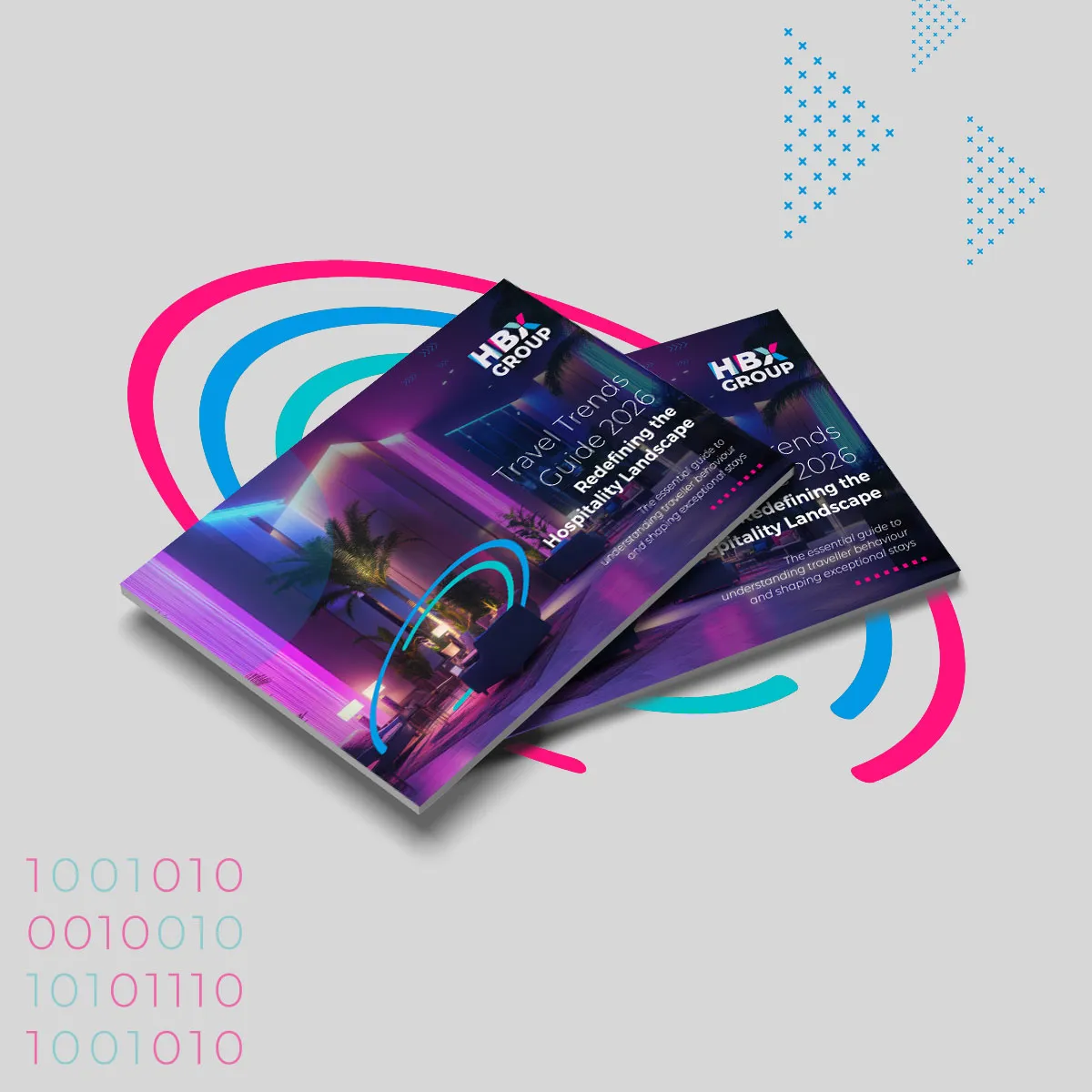
Stay ahead of the competition! Download our free 2026 Travel Trend Report for hoteliers and discover the key insights and strategies to maximise bookings and adapt to the future of hospitality.

 Resources