



For years, the hospitality industry operated on a predictable logic: travellers planned ahead, booked around major events, and saved hotel stays for the big moments. Weddings, anniversaries, milestone birthdays. Travel was an exception, not a rhythm.
That logic no longer holds.
Today's travellers book trips on impulse, celebrate small wins, and treat a weekend escape as a perfectly valid reason in itself. Travel has become part of everyday life rather than a break from it – and for hoteliers, this creates a powerful opportunity to capture demand that is more frequent, more flexible, and more emotionally driven than ever before.

The "Someday as the Everyday" trend describes a fundamental shift in traveller motivation: rather than waiting for a significant occasion to justify a trip, people are turning everyday emotions, micro-moments, and spontaneous impulses into immediate travel decisions.
In practice, this means shorter planning windows, more frequent bookings, and a growing appetite for experiences that offer escape, reward, or connection – without needing a traditional reason to travel.
Several converging forces are driving this shift. The desire to live in the moment is perhaps the strongest driver. According to HBX Group's Travel Trends Report 2026, 67% of travellers say spontaneity alone is reason enough to take a holiday, while 75% believe they deserve a reward for working hard. Travel has become a form of self-expression and emotional release.
Flexible work structures have removed traditional barriers. With remote and hybrid working now the norm for many professionals, travellers have more freedom to move when the mood takes them. Meanwhile, mental wellbeing has become a core travel motivator: travel intent among the 50+ demographic reaches 70%, with 95% agreeing that travel benefits mental health.
Technology has also lowered the friction of acting on impulse. AI-powered discovery tools and mobile-first booking platforms mean the gap between inspiration and confirmed reservation has never been shorter. BCG projects leisure travel spending to rise 8% per year through to 2029 – a clear signal this is a structural shift, not a passing phase.

Weekend breaks and two- to three-night escapes are becoming the dominant travel format. Trips are shorter but more frequent, giving hotels more opportunities throughout the year to attract the same guest – not just once at peak season.
Emotion-driven decisions are compressing the booking window significantly. Travellers are responding to a feeling, a Friday afternoon, or a social media moment rather than months of planning. This creates both a demand-forecasting challenge and a real opportunity in last-minute inventory pricing.
The "I deserve this" mindset is generating strong demand for wellness-led stays: spa breaks, digital detoxes, and restorative escapes. This is also where premium upsell opportunities are strongest, as travellers in this mindset are more open to spending on meaningful add-ons.
Travel is increasingly used as a tool for connection. Nearly 48% of travellers now travel with both elders and children together, producing larger bookings and longer stays. Road trips are rising sharply alongside this, with 84% of travellers open to carpooling and 67% of parents planning annual RV trips – making well-positioned hotels natural stopover destinations.

Understanding the trend matters. Acting on it matters more. Here are the most effective ways to adapt:

It refers to the shift where travellers no longer wait for major life events to justify a trip. Instead, they travel in response to everyday emotions, small milestones, or simply the desire for an experience – treating travel as part of their regular lifestyle.
Key drivers include flexible working arrangements, a stronger focus on mental wellbeing, improved booking technology, and a generational mindset shift that prioritises experiences over deferred plans.
By ensuring strong mobile visibility, maintaining flexible pricing for short booking windows, offering easy cancellation policies, and creating pre-packaged experiences that reduce the time between inspiration and booking.
Micro-trips are short getaways, typically one to three nights, taken more frequently throughout the year. They appeal to travellers who prioritise regular escapes over one annual holiday, driven by a desire for connection, restoration, and reward.
By using dynamic pricing to capture demand spikes, building loyalty programmes that encourage repeat bookings, and developing packages tailored to short-stay motivations such as wellbeing, spontaneous celebration, or a simple need to recharge.
Gen Z and Millennials lead the trend, treating travel as a lifestyle choice rather than a planned event. However, the 50+ demographic is catching up fast, with travel intent at 70% and a strong focus on wellbeing and shared family experiences.
Dynamic pricing is essential. Rates should reflect real-time demand, with flexible structures that allow hotels to capture last-minute bookings without leaving revenue on the table. Avoiding overly restrictive minimum-stay requirements can also help convert impulse decisions into confirmed reservations.
Significant. Platforms like TikTok and Instagram have become primary travel discovery tools, particularly for younger travellers. A compelling post, a trending destination, or a peer recommendation can trigger a booking within hours – making your hotel's social presence a direct driver of spontaneous demand.

Travel is no longer reserved for the big occasions. It has become part of how people live, recharge, and connect – and the frequency and emotional depth of this demand is only growing.
The properties that adapt their offering, operations, and messaging to meet spontaneous travellers will capture more bookings, more often, from guests who return.
HBX Group's B2B hotel solutions connects hoteliers with approximately 60,000 travel distributors across more than 135 markets, helping you reach high-value, experience-driven travellers at scale.
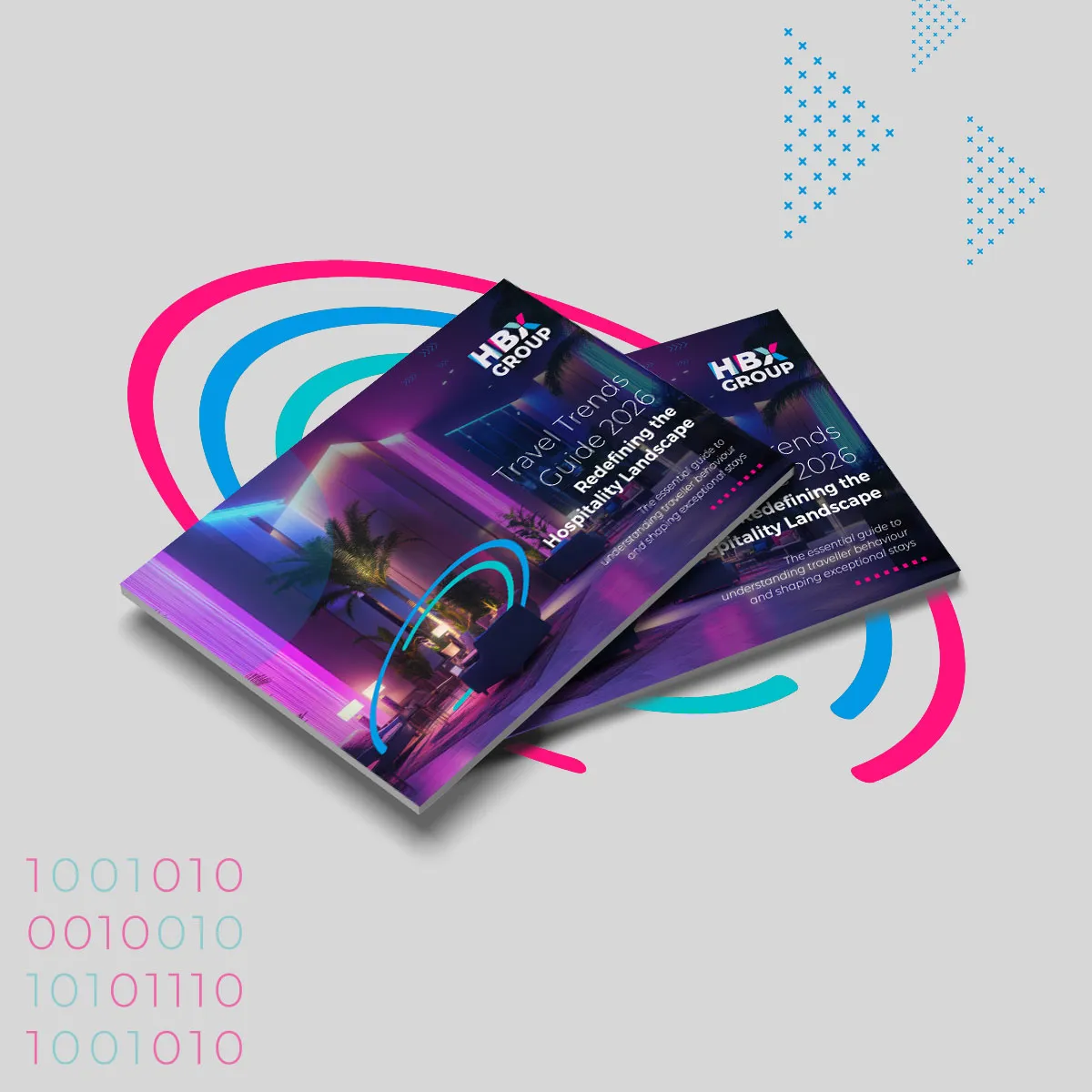
Stay ahead of the competition! Download our free 2026 Travel Trend Report for hoteliers and discover the key insights and strategies to maximise bookings and adapt to the future of hospitality.

 Resources