



For hoteliers, occupancy remains one of the most closely watched performance indicators.
Whether you are navigating seasonal fluctuations, changing traveller behaviour, or increasing competition, knowing how to increase hotel bookings is critical to sustaining revenue and long-term growth.
This guide brings together practical, proven ways to increase hotel occupancy rate by combining visibility, distribution, pricing, and direct channel optimisation.
The aim is simple: help you attract more demand, convert it more effectively, and build a more resilient business.

Hotel room occupancy refers to the percentage of available rooms that are occupied over a given period. It is a key metric used to assess how well a property is performing.
It is calculated using a simple formula:
Occupancy rate = (rooms sold ÷ rooms available) × 100
For example, if your hotel has 100 rooms and 70 are booked, your occupancy rate is 70%.
Occupancy matters because it directly impacts revenue, pricing strategy, and operational planning. A consistently strong hotel occupancy rate allows for better forecasting, more efficient staffing, and improved profitability.
Occupancy does not exist in isolation. It works alongside metrics such as Average Daily Rate (ADR) and Revenue per Available Room (RevPAR) to give a fuller picture of performance.
High occupancy with low rates may not deliver optimal revenue, while high rates with low occupancy can signal missed opportunities. The goal is to find the right balance.
Seasonality also plays a major role. Many properties experience peaks and troughs depending on location, demand drivers, and traveller segments. Benchmarking against your local market and understanding your mix of business, leisure, and group demand is essential for effective hotel occupancy optimisation.
There is no single solution for how to increase hotel bookings. Instead, success comes from combining multiple strategies that work together across the guest journey.
If travellers cannot find your property, they cannot book it. Improving visibility is one of the most effective ways to increase hotel bookings. Here are some ideas:
These techniques help you capture high-intent searches such as “how to get more hotel bookings online” and “how to increase online hotel booking”.

A strong digital presence supports both visibility and conversion. Paid media, metasearch, and retargeting campaigns can all play a role in driving demand.
HBX Group’s Marketing Suite supports hotels by improving digital reach and helping properties connect with the right audiences at the right time.
By combining data-led targeting with creative execution, hotels can promote offers, highlight unique selling points, and increase engagement across channels.
Pricing remains one of the most powerful levers for increasing occupancy. Try applying these tactics to your pricing strategy:
This approach supports sustainable revenue growth while helping to increase your hotel occupancy rate.

Relying on a single channel increases risk. Expanding your distribution mix with targeted hotel distribution solutions allows you to reach new audiences and stabilise demand. These are a few methods you can try:
HBX Group’s Hotel Distribution Strategy connects hotels to a global network of travel sellers, helping properties tap into diverse demand streams and boost hotel bookings across markets.
One of the most common challenges is how to increase hotel occupancy during quieter periods. Here are some ways to address this:

Driving traffic is only part of the equation. Converting that traffic into bookings, and increasing booking value, is equally important. Conversion tactics include:
These tactics not only increase revenue but also enhance the guest experience. You can explore more ideas in the HBX Group article on hotel amenities.

A strong direct channel reduces reliance on third parties and improves margins. Here, you can:
Roiback, HBX Group’s specialist brand for direct channel growth, supports hotels in increasing direct bookings through advanced booking engine technology and digital marketing services.

A good hotel occupancy rate varies by location and segment, but many properties aim for 65% to 80%. Urban and business-focused hotels may target higher levels, while resort properties may fluctuate more seasonally.
Low occupancy can result from weak demand, poor visibility, limited distribution, ineffective pricing, or lack of differentiation. External factors such as seasonality and economic conditions also play a role.
Short-term tactics include targeted promotions, last-minute deals, retargeting campaigns, and partnerships with distribution channels. Adjusting pricing and focusing on high-demand segments or high-value hotel guests can also deliver quick wins.
Hotels can increase direct bookings by improving website usability, offering exclusive incentives, building trust through reviews, and investing in digital marketing. Tools like Roiback help optimise conversion and drive direct channel growth.
A balanced mix of OTAs, wholesalers, tour operators, corporate channels, and direct bookings is most effective. Leveraging a global distribution network helps hotels reach wider audiences and increase occupancy.
There is no single answer to how to increase hotel occupancy. The most effective approach combines visibility, smart distribution, dynamic pricing, and a strong direct channel.
By applying these strategies consistently, hotels can improve occupancy, increase revenue, and build a more resilient business.
Partnering with HBX Group allows properties to access the tools, technology, and global reach needed to boost hotel bookings and grow sustainably.
Dusit Hotels is among the many partners achieving strong growth with HBX Group. Partner with us today!
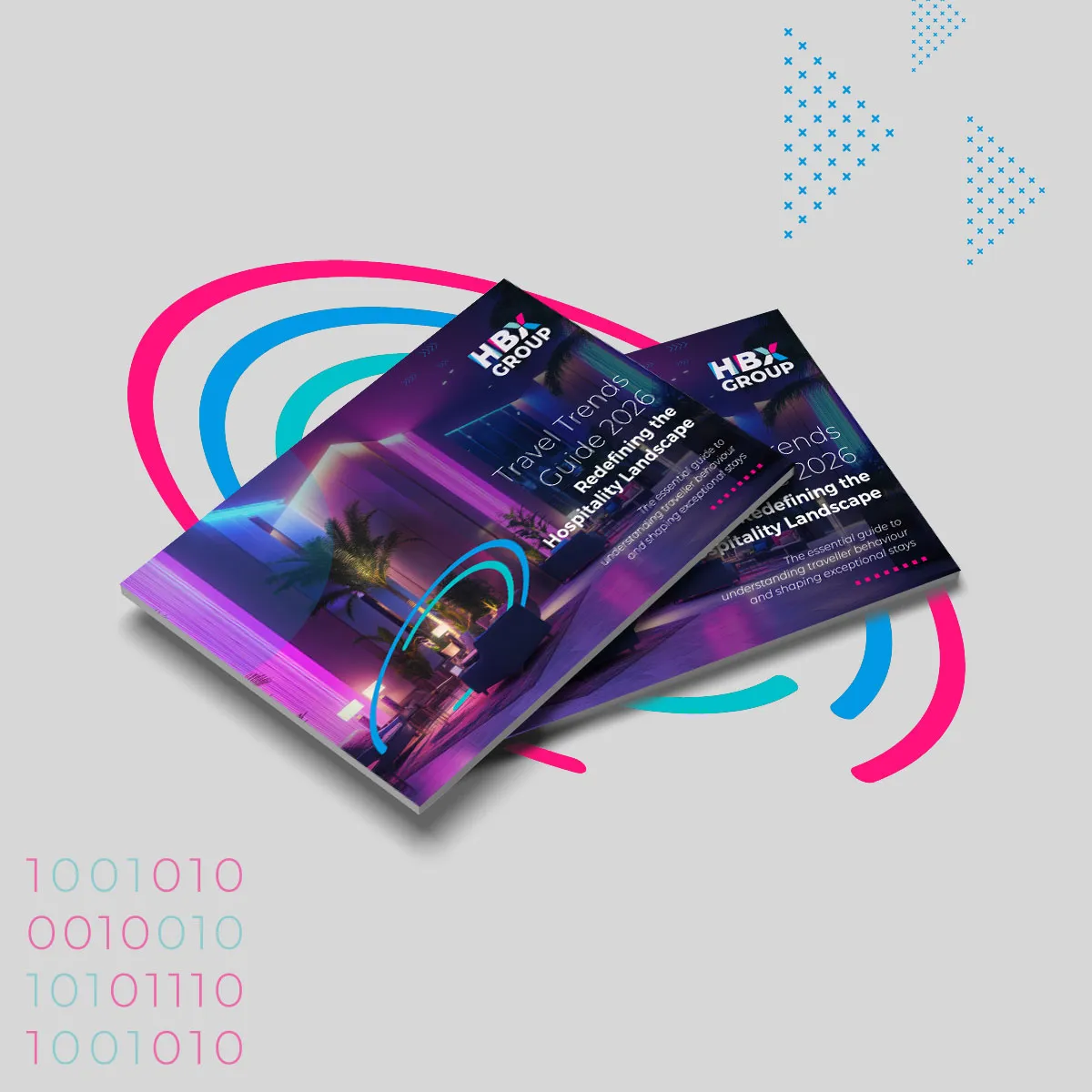
Stay ahead of the competition! Download our free 2026 Travel Trends Report for hoteliers and discover the key insights and strategies to maximise bookings and adapt to the future of hospitality.

 Resources