



Travel is becoming more intentional. Guests are no longer satisfied with simply visiting a destination; they want to understand it, engage with it, and feel part of it. This shift is at the heart of the “Live Like a Local” trend, one of the defining destination travel trends for 2026.
For hoteliers, this represents a clear opportunity. As demand for authentic travel experiences grows, properties that can connect guests with local culture, communities, and traditions are better positioned to stand out. Increasingly, hotels are not just places to stay, but platforms for cultural immersion travel and meaningful engagement.

'Live Like a Local' describes a form of authentic travel where guests actively seek to experience the everyday life, culture, and traditions of a destination through local travel experiences, rather than observing from the outside.
Travellers are now choosing hotels based on how well they facilitate these experiences. In many cases, the property’s connection to local culture carries more weight than location, price, or standard amenities.

The rise of immersive travel experiences is driven by broader behavioural and societal shifts.
Firstly, travellers are increasingly motivated by purpose-driven travel. They want their trips to feel meaningful, whether that is through learning, connection, or contribution.
Secondly, there is a growing awareness of sustainability. Guests are moving beyond surface-level eco-conscious choices towards sustainable cultural tourism that supports local communities and preserves heritage.
Thirdly, digital discovery is reshaping expectations. Social media and AI-driven planning tools expose travellers to authentic, experience-led journeys, raising the bar for what a trip should feel like.
Travel motivations are shifting towards fulfilment, connection, and community-driven experiences. The data reinforce this:
This is not a marginal change. It is a structural shift in demand, with clear implications for hotel marketing solutions and how hotels position themselves and design their offerings.
These are some key types of “Live Like a Local” experiences:
Cultural exploration remains one of the most established forms of authentic travel, but expectations have evolved. Today’s travellers want more than guided tours. They are looking for deeper context, storytelling, and access.
This can include:
Why it matters:
Cultural travel experiences attract guests who are highly engaged and often willing to invest in premium, curated activities.
Practical tip:
Develop partnerships with local historians, cultural institutions, and guides to create exclusive, experience-led packages that go beyond standard sightseeing.

Food has become a central pillar of authentic travel experiences, offering a direct and accessible way to understand local culture. Travellers are increasingly drawn to:
Why it matters:
Culinary immersion is one of the strongest drivers of local engagement and shareable experiences.
Practical tip:
Move beyond restaurant offerings by integrating local food experiences into the guest journey, for example through chef collaborations, tasting sessions, or farm visits.

Connection is a key driver of meaningful travel experiences. Guests want to interact with people, not just places. Consider:
Why it matters:
Community-based tourism creates emotional engagement and strengthens the perceived value of the stay.
Practical tip:
Act as a facilitator by connecting guests with trusted local partners, ensuring experiences are authentic, ethical, and mutually beneficial.
Wellbeing and local identity are increasingly intertwined. Travellers are seeking wellness experiences that are rooted in place, not generic. Activities can include:
Why it matters:
This aligns with both wellness tourism and sustainable cultural tourism, two of the fastest-growing segments in hospitality.
Practical tip:
Design wellness programmes that reflect the destination’s natural and cultural context, rather than replicating standard spa models.

One of the most powerful forms of authentic travel is the simplest: stepping into the rhythm of everyday local life. Increasingly, travellers want to experience destinations as residents do, not as visitors passing through. This includes:
Why it matters:
These experiences deliver a deeper sense of belonging. They move guests from observation to participation, which is central to meaningful travel experiences. This is also highly aligned with the rise of slower, more intentional travel, where the focus is on living in a place rather than ticking it off.
Practical tip:
Curate “day in the life” itineraries for different guest types, for example:
Hotels can also create partnerships with local businesses to offer exclusive access or perks, turning ordinary routines into distinctive, bookable local travel experiences.
To respond effectively to this trend, hotels need to rethink their role. The focus should shift from accommodation to proven experiential travel strategies and experience orchestration.
Key actions include:
When executed well, these strategies not only enhance guest satisfaction but also create new revenue streams through upselling and differentiated offerings.

Authentic travel experiences are activities that allow travellers to engage with the real culture, traditions, and daily life of a destination, often through local people and practices.
It directly influences booking decisions, as travellers increasingly prioritise cultural immersion and meaningful engagement over traditional hotel features.
By partnering with local communities, curating immersive activities, and embedding cultural elements into the overall guest experience.
Yes. It is closely aligned with sustainable cultural tourism and community-based tourism, where travel supports local economies and preserves cultural heritage.

“Live Like a Local” is a defining shift in how people travel and how they choose where to stay. Guests are actively seeking authentic travel experiences that connect them to local culture, people, and environments.
Hotels that embrace this trend by enabling cultural immersion travel and meaningful travel experiences will differentiate themselves in a crowded market.
HBX Group supports this evolution by helping hotels connect with over 60,000 travel distributors across more than 190 source markets, while providing the solutions for hoteliers and insights needed to turn travel trends into measurable growth.
Register your property
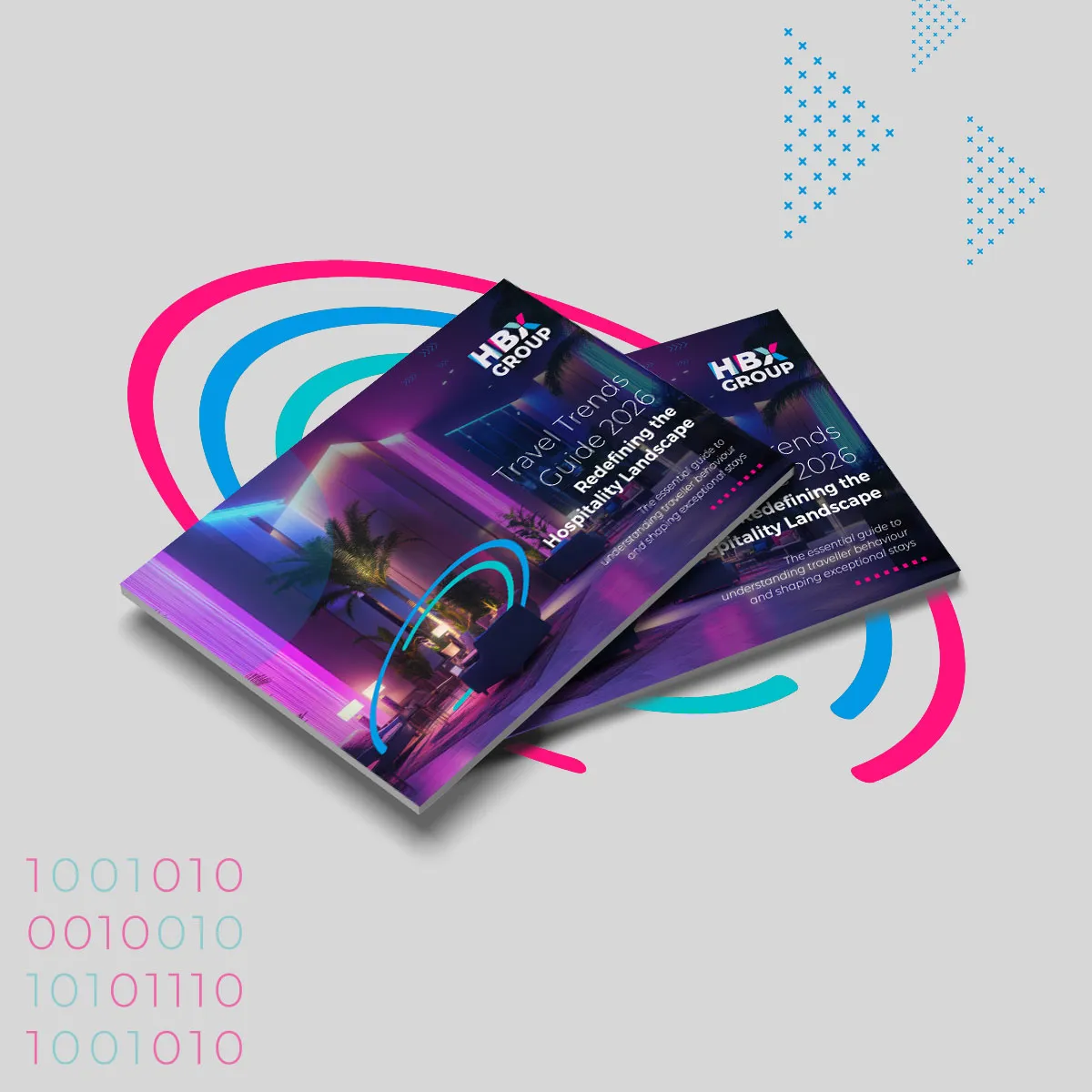
Stay ahead of the competition! Download our free 2026 Travel Trends Report for hoteliers and discover the key insights and strategies to maximise bookings and adapt to the future of hospitality.

 Resources